Katsushika Hokusai
A late Edo-period ukiyo-e artist who kept painting for about 70 years, until his death at 90 by traditional Japanese reckoning. Known for Thirty-six Views of Mount Fuji and the Hokusai Manga, his bold compositions and keen observation influenced painters abroad.
Katsushika Hokusai was born in 1760 (Horeki 10) near Warigesui in Honjo, Edo. The name Katsushika comes from the fact that the area including his birthplace belonged to Katsushika District in Musashi Province. He began drawing around the age of six, and at 19 entered the studio of the ukiyo-e artist Katsukawa Shunsho, taking the name Shunro. He later left the Katsukawa school and opened up a style of his own under the name Sori. In 1798 (Kansei 10) he took the name Hokusai Tokimasa and broke away from the Sori school as well.
Hokusai changed his art name many times over his life. Working as Hokusai, Taito, Iitsu, Manji, and more, he covered a wide range: illustrations for popular novels, drawing manuals, paintings, and color woodblock prints. The Hokusai Manga, whose first volume appeared in 1814, is a drawing manual that gathers a huge number of sketches of people, animals, and everyday life. He is also known for moving house more than 90 times, spending much of that time in what is now Sumida Ward.
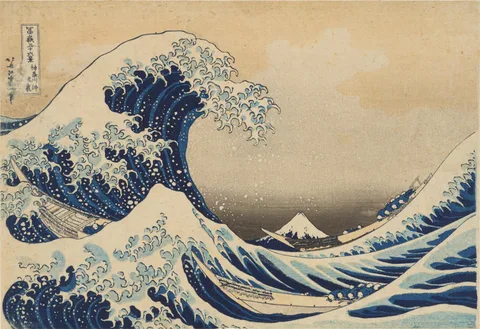
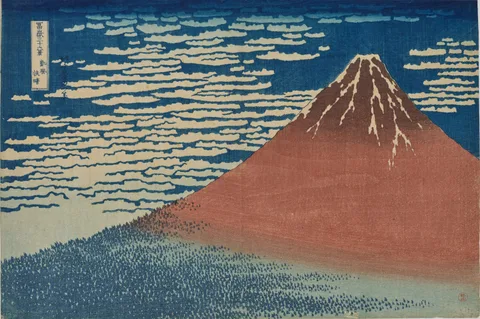
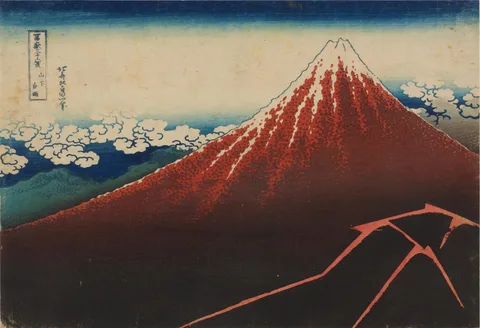
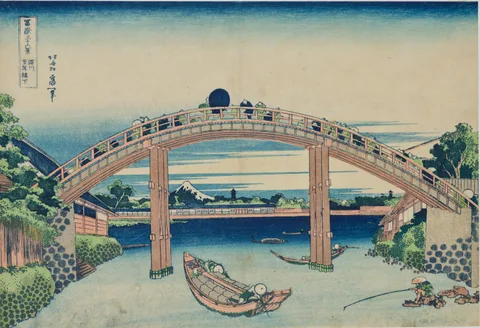
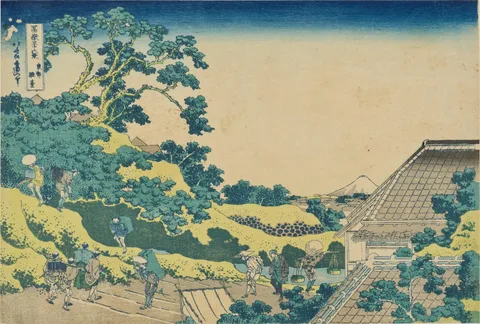
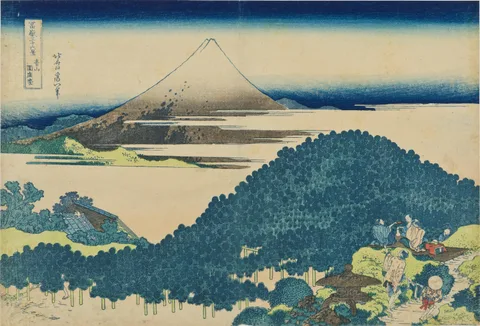
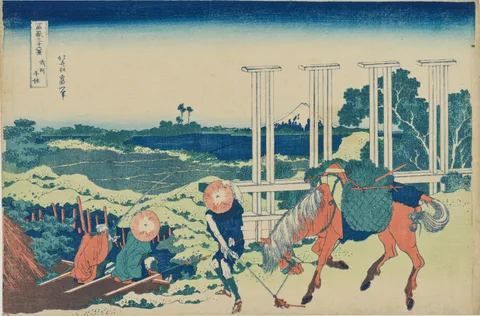
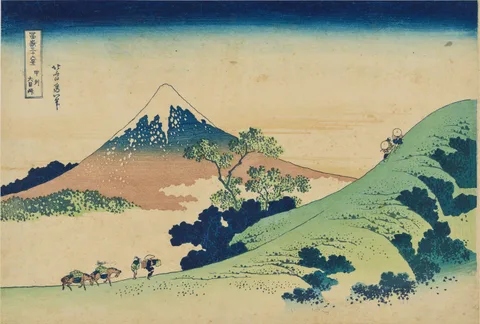
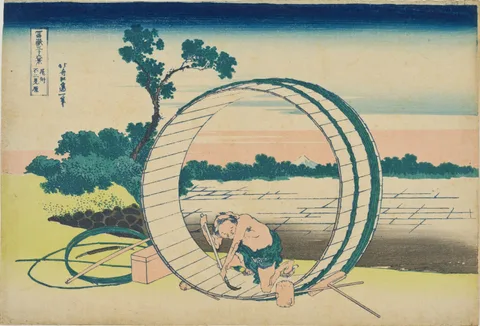
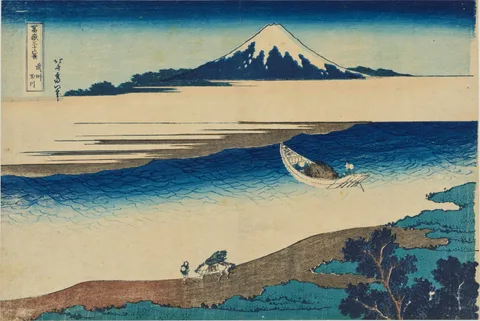
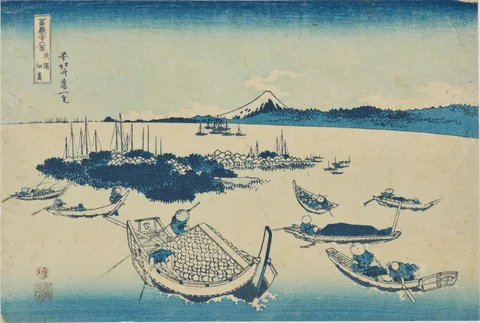
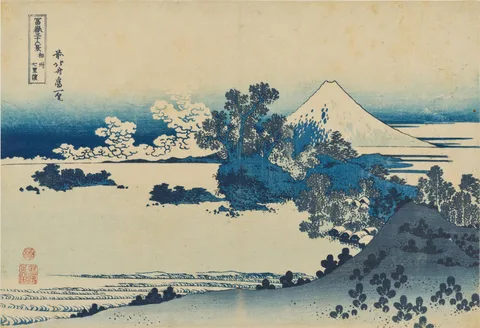
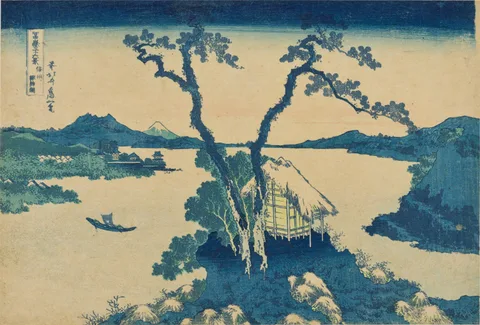
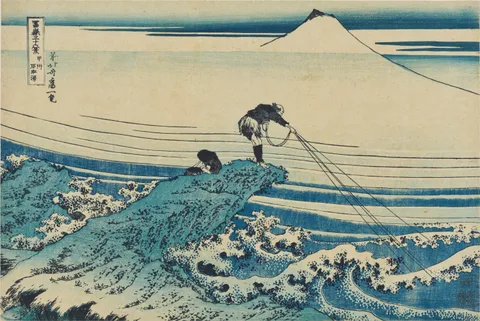
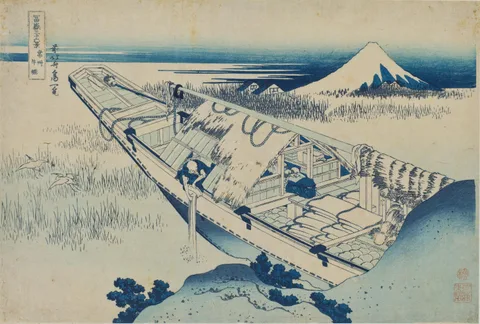
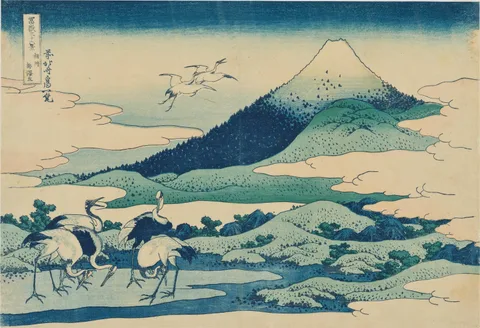
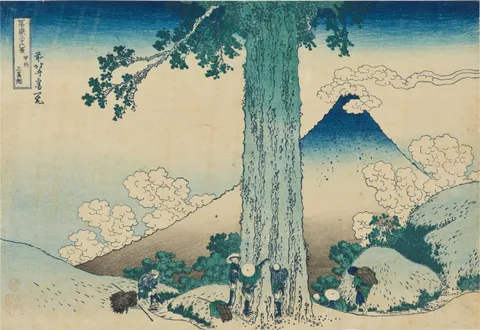
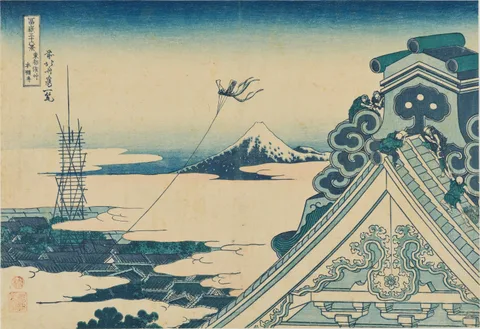
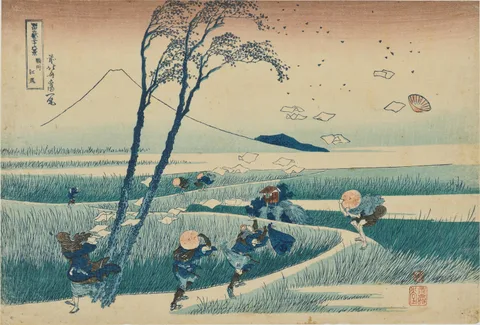
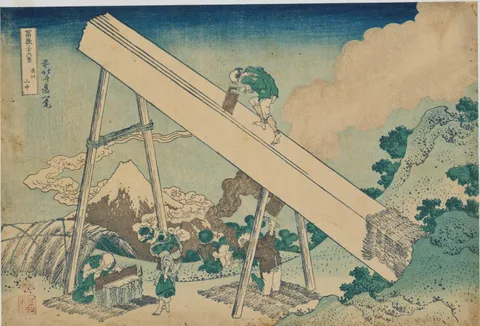
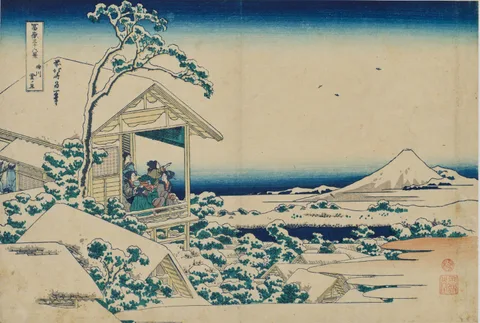
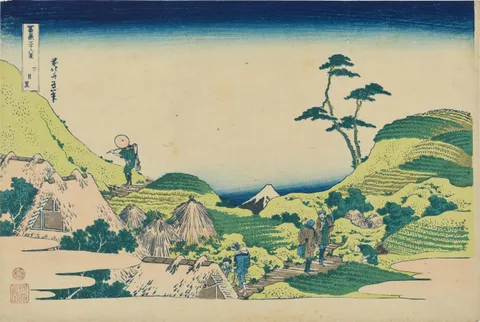
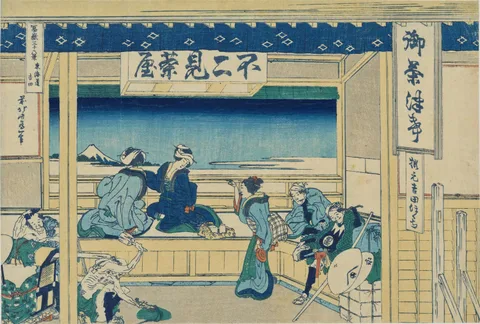
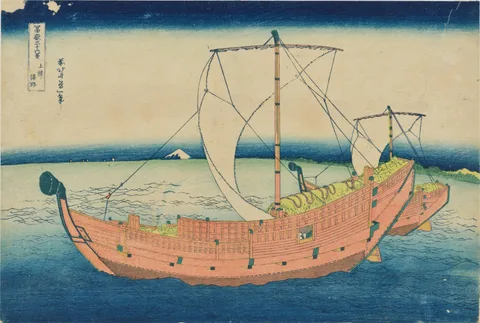
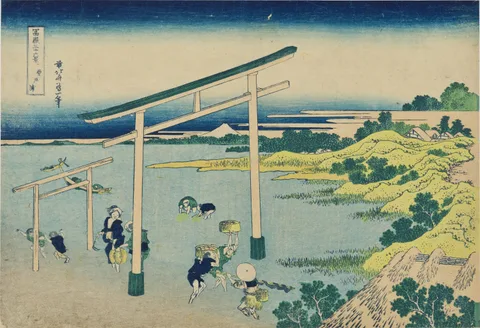
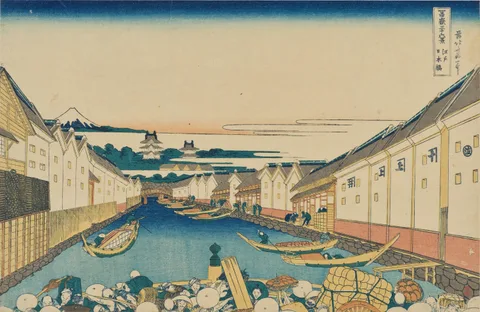
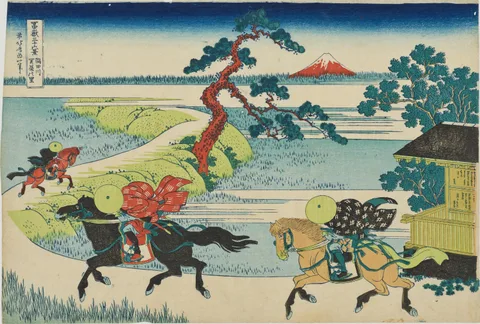
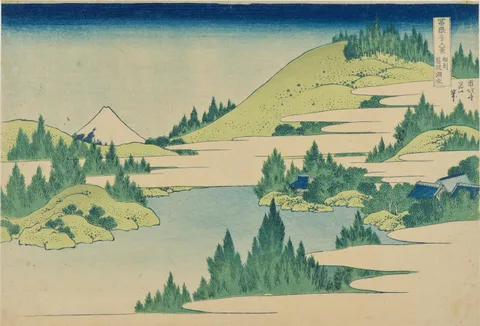
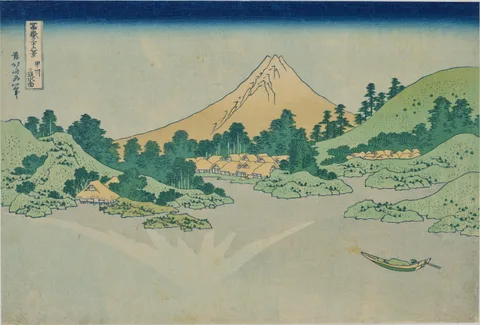
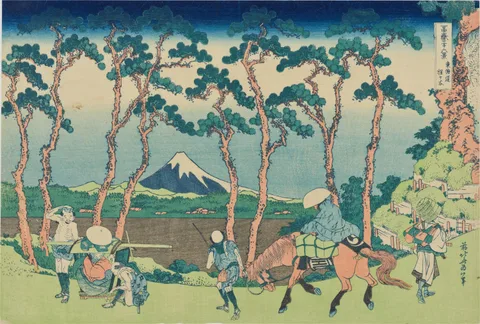
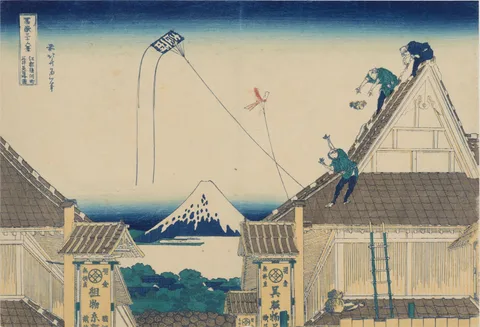
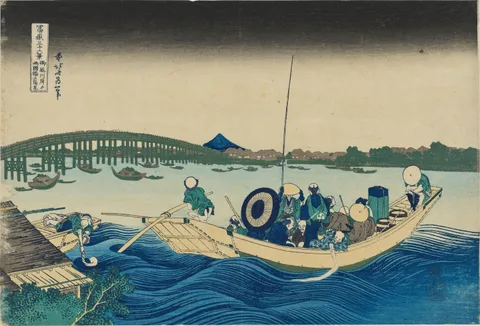
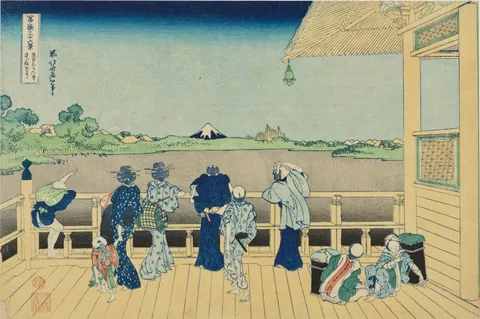
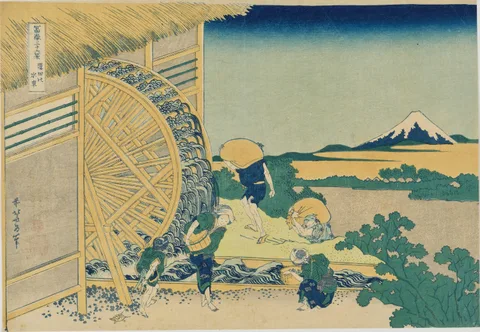
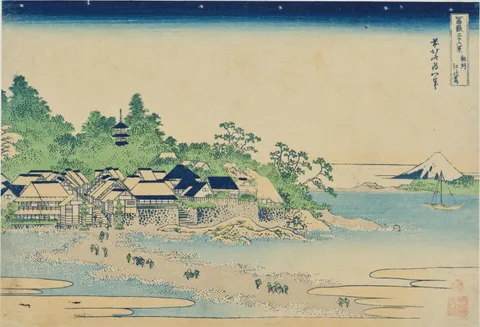
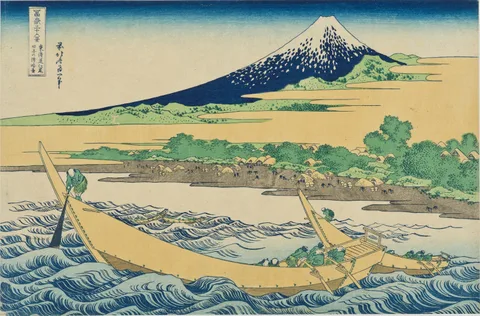
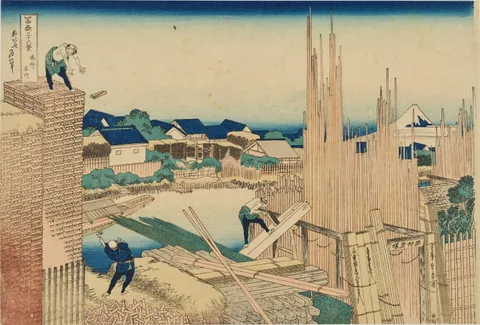
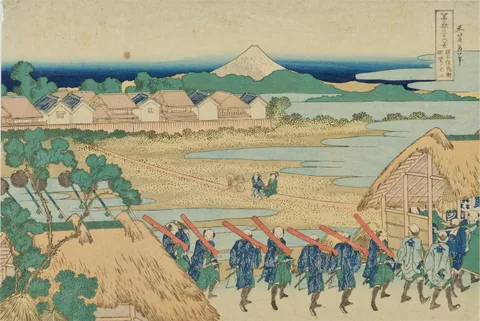
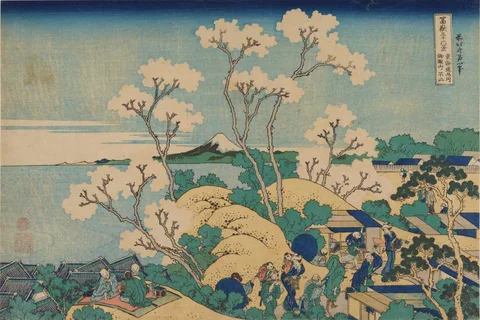
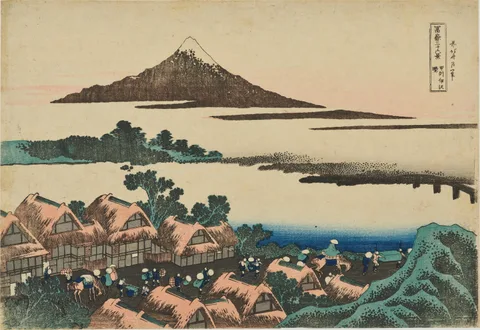
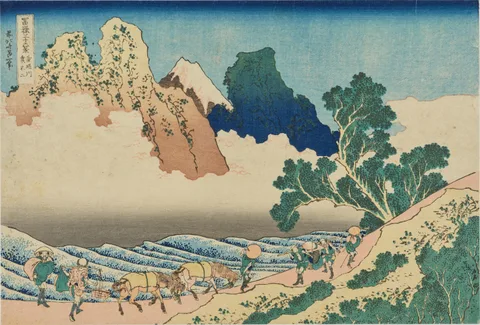
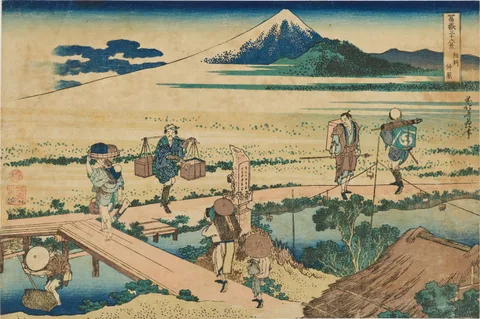
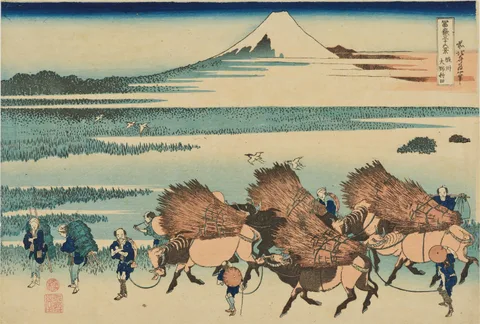
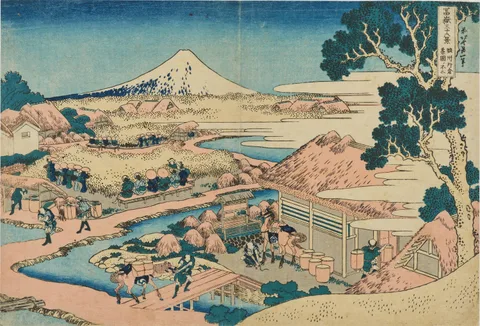
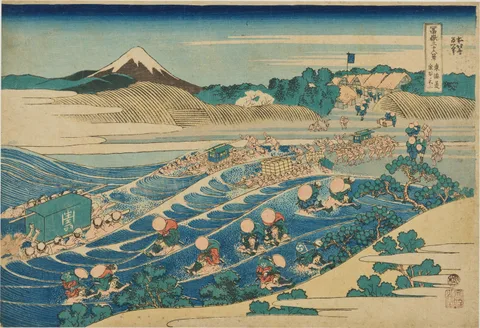
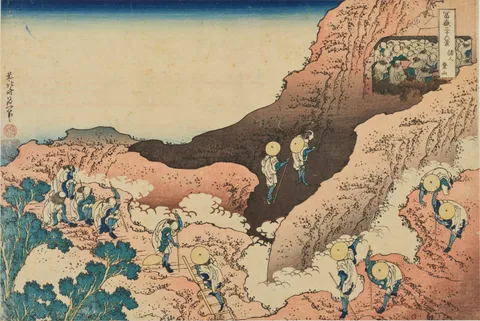
In his seventies, around 1831 (Tenpo 2), he produced Thirty-six Views of Mount Fuji. In the postscript to One Hundred Views of Mount Fuji (first volume, 1834), he wrote that only at 73 had he come to grasp the structure and nature of living things, and that he aimed to keep improving even past the age of one hundred. He died in 1849 (Kaei 2), at 90 by traditional reckoning. His Fuji prints traveled abroad and are known to have influenced Western painters such as Van Gogh and Monet.